Screen Printing vs. Digital Printing: Which Process Is Better for Small-Batch Custom Nameplates? A Cost and Lead Time Breakdown
During the product development stage or while testing the market, many customers face the same challenge: “I only need 50 to 100 nameplates—does it really make sense to invest in molds and screens?”
As a professional nameplate manufacturer based in Taichung, FKX understands the constant trade-off customers face between cost and quality. When choosing a custom nameplate production process, understanding the differences between screen printing and digital inkjet printing can help you save a significant amount in development costs.
Screen Printing: The King of Mass Production
This is the most traditional and durable printing method. The process involves creating a separate screen for each color, then using a squeegee to press ink onto the substrate.
- Advantages: High color saturation, ability to mix special inks, and excellent durability and weather resistance.
- Disadvantages: Screen setup costs are the biggest barrier. Each color requires its own screen—if a design uses five colors, five screens are needed.
- Best suited for: Orders exceeding 500–1,000 pieces with relatively simple color designs.
When to choose screen printing:
✅ More than 200 pieces of a single design
✅ Requirement for special inks (such as conductive ink or glow-in-the-dark ink)
✅ Extra-thick ink layer requirements
✅ Long-term, repeat orders
Digital Printing: The Best Solution for Small Batches
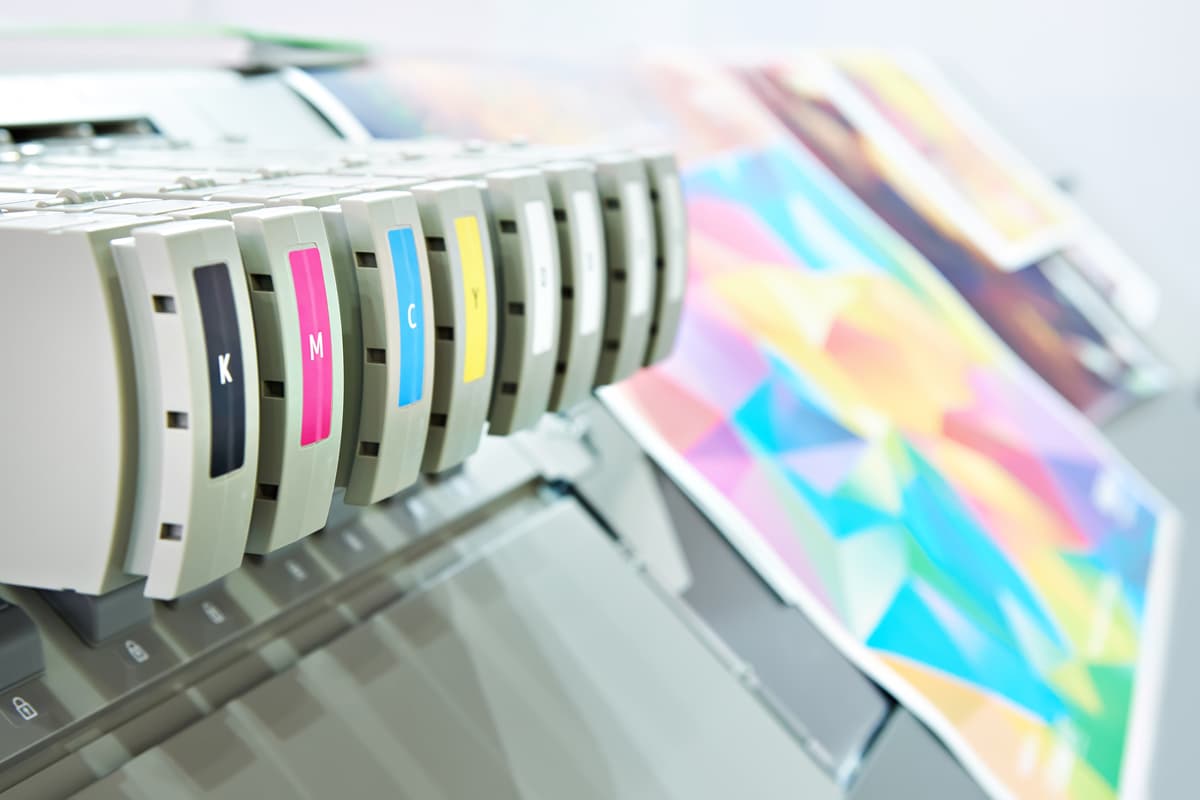
With advancements in technology, digital inkjet printing has become a mainstream option. It works much like a home printer—design files are printed directly from a computer onto the material.
- Advantages: No screen setup required—even a single piece can be printed. Supports full-color gradients with photo-level detail.
- Disadvantages: Unit cost reductions are less significant than screen printing when scaling up to mass production.
- Best suited for: Small batch production, prototyping, urgent orders, or panels with complex designs (such as gradient colors).
When to choose digital printing:
✅ Small-batch production of 10–50 pieces
✅ Many design variations with low quantity per design
✅ Urgent orders (delivery within 7 days)
✅ Prototyping during product development
✅ Multiple versions for A/B testing
The Key Decision: Finding the Sweet Spot Between Cost and Lead Time
To help procurement teams make clearer decisions, we summarize the comparison as follows:
- Cost perspective: If the required quantity is under 200 pieces, digital printing is more cost-effective because the savings from eliminating setup fees outweigh the higher unit price. Once quantities exceed 500 pieces, the economies of scale of screen printing become apparent.
- Lead time perspective: Digital printing eliminates time-consuming steps such as screen exposure, washing, and color mixing. For urgent orders—such as exhibition deadlines or shipment schedules—digital printing can reduce production time by approximately 30%–50%.
For most customers looking to produce small quantities of customized nameplates and create samples at the lowest possible cost, digital printing offers the best balance of affordability and flexibility. Once the design is finalized and demand scales steadily, evaluating a transition to screen printing to lower unit costs for mass production becomes a smarter strategy.
There is no single “best” process—only the solution that best fits your current needs. With complete screen printing and digital production lines, we can support everything from a single prototype to large-scale mass production, and provide the right recommendation for your project.